1. Artificial Intelligence that isHuman-Like
Artificial Intelligence technology is rapidly progressing from mere automation. The future of AI research and development will involve advanced understanding of human emotions and the nuances of human language. This technology will provide support with decision-making, creative tasks, and problem-solving.
Robots will not only listen to commands but predict what one needs. This will surprise the world since robots will not be seen as tools but as smart companions. Although the impact will bring efficiency, there are moral issues that will arise.
2. Fully Autonomous Vehicles
Autonomous vehicles are now improving at a rapid pace. In the future, vehicles, lorries, and even delivery drones will be able to move around without any human drivers. This is expected to lower accidents, congestion, and transport costs.
What’s disturbing is how this will impact everyday life. Jobs for drivers could become extinct, urban design might change, and travel for everyone could get easier and even safer. Transportation will change from being owned by people to automated transportation.
3. Brain Computer Interfaces
One of the most astonishing technological advancements in the future is the ability of humans communicating directly with machines using their brains. Through the use of brain-computer interfaces, an individual can operate a machine using their brain alone.
In the future, it may assist people living with disabilities in regaining the ability to move their bodies, improve memory, or even enable them to communicate without speaking. The concept of utilizing human intelligence combined with machines is set to shake the very foundations of what makes identity and consciousness.
4. Biotechnology/Medical Technology That Extends Human Life
The future medical technology that will emerge will greatly enhance the human lifespan. The use of AI in diagnosing people, gene editing, and personalized medicine will help physicians diagnose people early and effectively tackle ailments.
5. Quantum Computing
The working of quantum computers is based on principles that vary vastly from how regular computers function. The quantum computer can process an extremely high amount of data at speeds that can’t even be imagined. It has been suggested that quantum computing could provide solutions for problems that are currently unsolvable.
The implications of the technology include the ability to change the face of medical research, studies of the effects of global warming, as well as the area of computer security. However, the same technology may also have negative implications for the existing methods of encryption.
6. Smart Cities through Technology
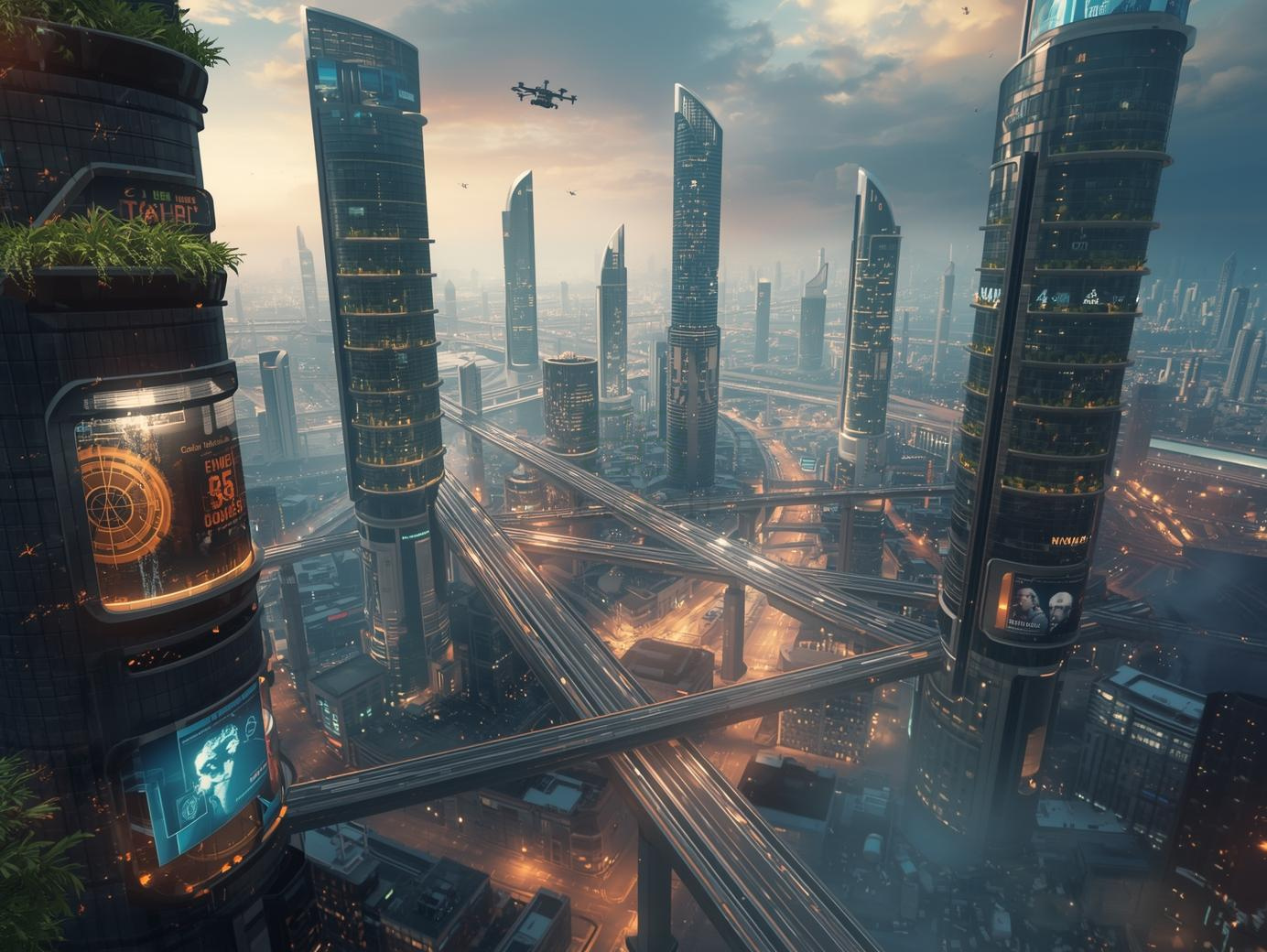
Future cities will be fueled by integrated systems that can control traffic flow, power usage, waste management, and security. This is achieved by using sensors and artificial intelligence.
Although smart cities offer benefits of convenience and going green, they have concerns related to surveillance and the right to privacy of citizens. Adjusting to a lifestyle in a smart city where data is continuously collected will prove challenging for society.
7. Future of Robotics in Daily Life
Robots do not confine themselves within factories. In the future, it is possible that robots can work in homes, hospitals, and other public areas. These may include assisting older people, with housework, and in hazardous tasks.
Since robots are likely to resemble humans in terms of motion and communication, they will most likely create an emotional connection with humans. Such robots will result in further blurring of lines separating robots and companions.
8. Raumwissen und die Ausdehnung
Space technology is also developing at a fast pace and has plans for permanent resident presence on both the Moon and Mars.
The concept of humans existing off the planet will surprise the world since it will redefine the place of human beings within the universe. Space mining, traveling between planets, as well as colonies off-world, may be actualized this century.
9. Biotechnology and Genetic Engineering
The future of biotechnology will see genes edited precisely by scientists. This will eradicate inherited illnesses in human beings, as well as enhance human physical abilities and the immune system.
Though such technology has potential life-giving uses, there are nevertheless ethical issues involved. Such developments in human DNA could pose challenges of equity and misuse.
10. Virtual Reality Worlds, Augmented Reality Worlds
Virtual reality and augmented reality are going to go far beyond the current entertainment scope of gaming. Future versions of both virtual reality and augmented reality can potentially replace traditional computer screens so that individuals can work, study, or socialize within virtual reality settings.
With the merging of both virtual and physical realities, individuals are bound to devote substantial parts of their lives to virtual worlds. This new reality will redefine the meaning of work, identity, and socializing.
11. Why These Technologies Will Shock the World
Such technologies will shock the world because not only will these tools be made better, but new behaviors, values, and systems for humans will emerge. Such developments will question the laws, values, and social behaviors that are used today.
12. Challenges and Risks of Future Technology
Although the future is filled with excitement and hope, there are also dangers present in the technologies that will emerge in the future. These include the displacement of people from their jobs, privacy, ethics, and equity.
Wards against these threats are as significant as the development of this technology.
13. How Humans Can Prepare for the Future
“Preparation for the future is denied to no one, but only to those who have no intention to prepare for the future,” wrote L. Frank Baum, author. The best way to prepare for the future is to educate and adapt. Creativity, problem-solving, and emotional intelligence, among many other skills, will be highly valuable.