1. Artificial Intelligence Explained in Simple Language
“Artificial Intelligence” pertains to the capability of machine or software to think, learn, and make decisions like humans. Unlike machines that follow strict instructions, artificial intelligences learn from data and make improvements. The result of this feature of artificial intelligence allows machines to execute tasks requiring human intelligence like understanding languages, images, and making predictions.
2. AI will change the work we do
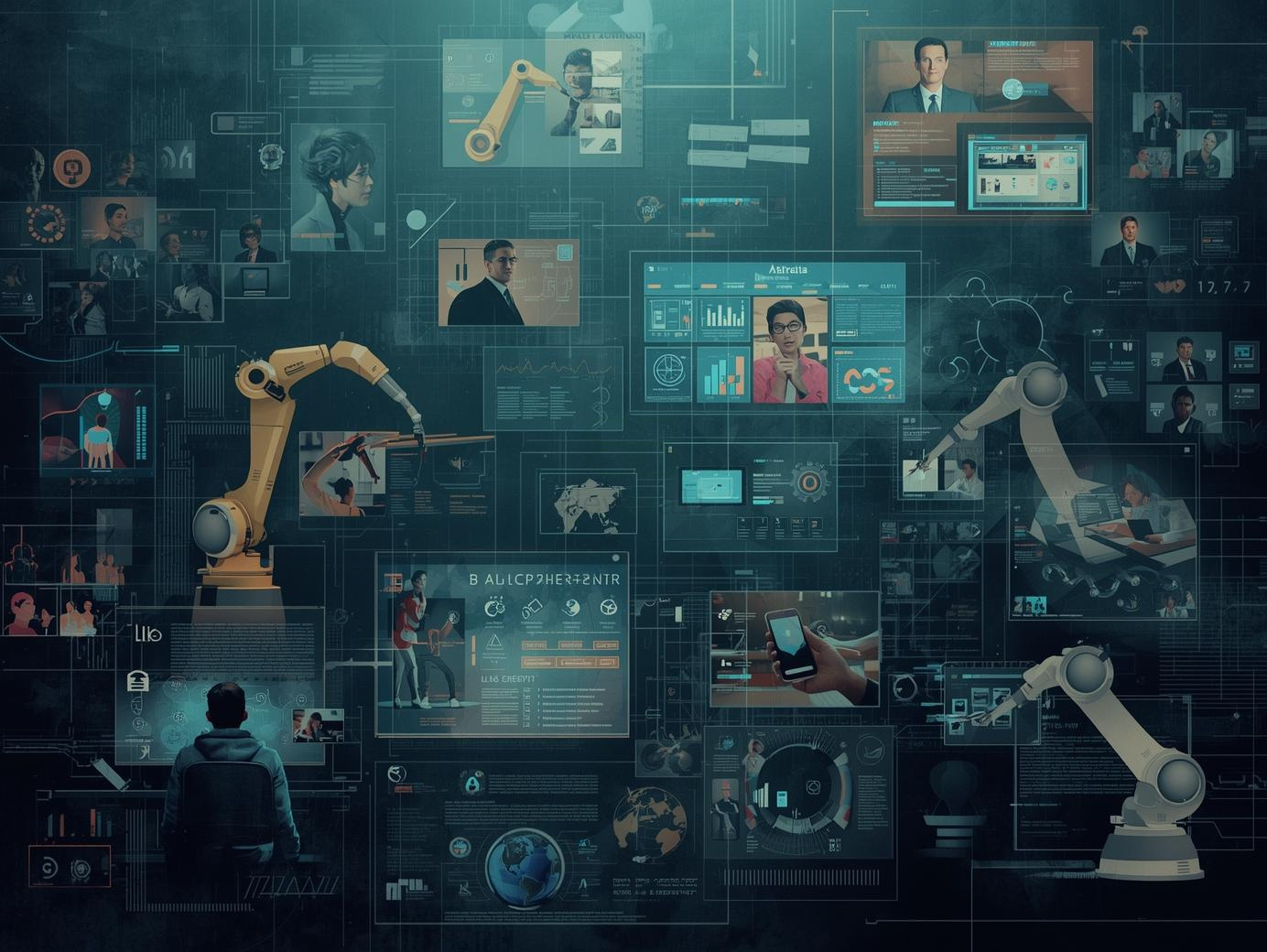
The first impact of AI that can be seen is in the work environment. Many manual and repetitive tasks are already being automated. Simple tasks such as data entry, customer support, and analysis can now be performed by computers using AI much faster and more accurately than a human.
However, this does not mean that employment will become extinct. This is because employment will instead be altered. New employment opportunities will be introduced. These opportunities will involve things like innovation, problem-solving skills, intelligence, as well as understanding AI systems. Those who are able to adapt to this change will be the most advantaged.
3. Education Will Become More Personalized
The way people learn is being revolutionized by technology such as AI. The traditional way of learning is more of a ‘one size fits all’ approach, where all students learn in the same way at the same time. However, with AI technology, learning has become personalized. The uniqueness of every learner is considered in learning
In the future, students will be able to learn at their own pace using the services of AI tutors that will be able to offer instant reviews or feedback.
4. Healthcare will Become Smarter & Faster
AI has already begun finding uses in the medical field in very effective ways. AI assists physicians in diagnosing ailments at earlier stages, interpreting medical images, and even predicting potential health risks. AI can analyze medical data faster and more accurately than any human being.
The future could see AI being applied to personalized treatment options, remote patient care, and even new pharmaceutical discoveries. It could save lives, conserve costs, and enhance the quality of healthcare.
5. Life Will Get Increasingly Automated
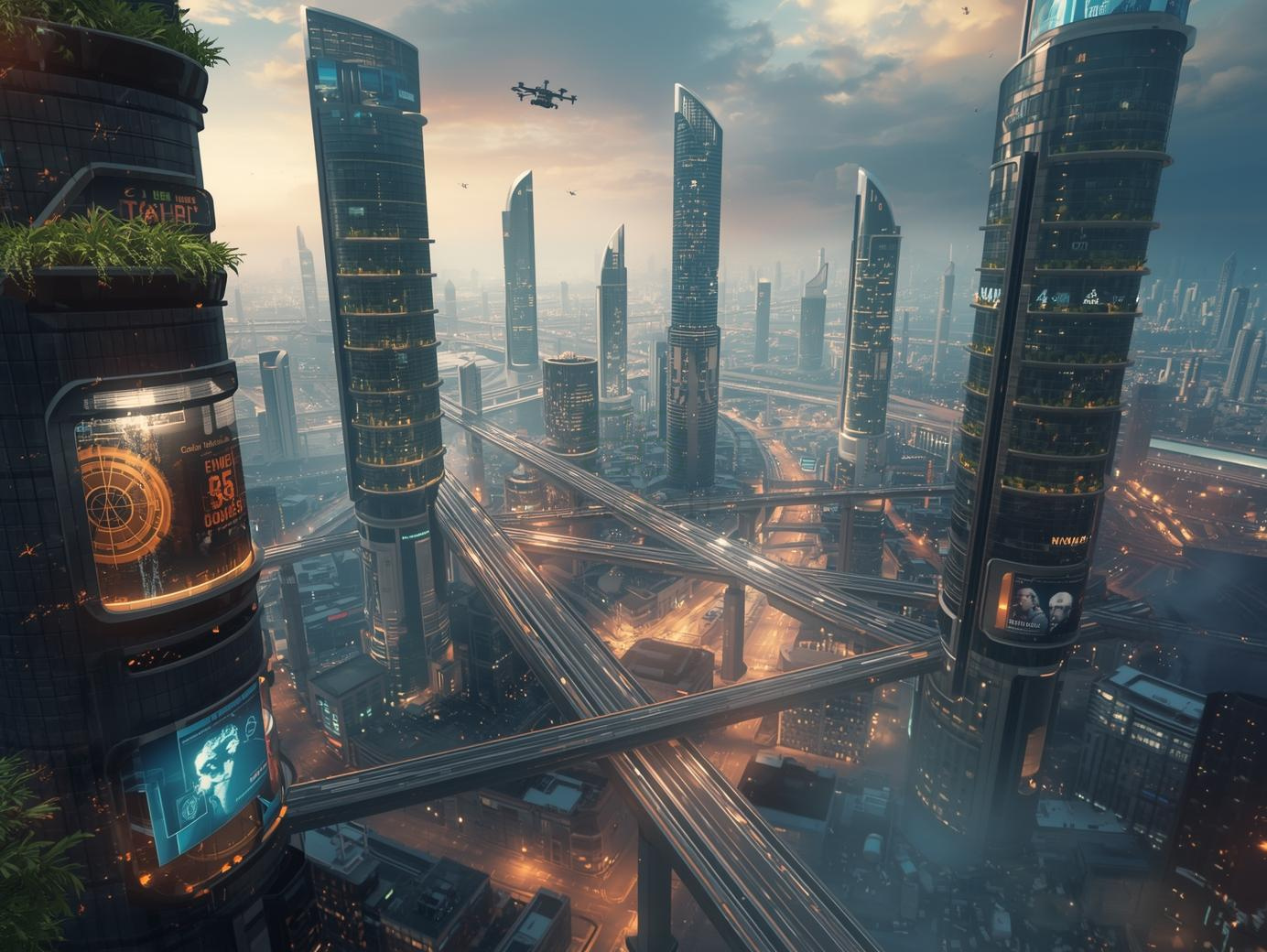
AI is increasing the convenience of daily life. Smart assistants, recommendation systems, and various AI-based tools are already assisting people in organizing tasks, accessing information, and making decisions. In the coming era, homes, transport, and cities can be fully AI-driven.
Automatic cars, smart energy networks, and smart domestic appliances will require less human intervention. While this is quite appealing to most people, it raises issues relating to privacy and reliance on technology.
6. AI Will Change Human Relations
Technology is already having an effect on the way people communicate, and this will be reinforced with the help of AI technology. The development of chatbots and virtual companions will allow these entities to appear even more human-like in the future. Others will depend on these entities for companionship and support.
Even as it may combat loneliness, it is a source of eucal ethical dilemmas. Human relationships and emotions are a great deal more intricate as compared to machine-filled interactions. On a positive note, finding a balance would become a crucial aspect.
7. Creativity and AI Will Coexist
While many believe creativity is uniquely human, AI now writes, paints, composes music, and designs art. Rather than replacing creativity, AI has become a creative collaborator.
AI can be used to extend the ideas of artists, writers, and designers, accelerating work. The future of creativity might be brought about through human imagination and machine intelligence working together.
8. Ethical Challenges and Risks
Great power is great responsibility; the most critical concerns about AI involve ethics: data privacy, bias, and control. If AI systems are trained using biased data, then that results in unfair outcomes. There is also a fear of surveillance and misuse of AI.
These risks require strong regulations for management, alongside transparency and human oversight. AI development should seek to be of help to humanity, not harm.
9. Will AI Replace Humans?
A very common fear is that AI will take over the world and replace humans completely. In reality, AI is more likely to replace tasks, not people. Humans bring creativity, empathy, moral judgment, and adaptability-qualities AI cannot fully replicate. The future will be handed to those who can work with AI. Using AI successfully will be like learning a computer in the past.
10. How Humans Can Prepare for an AI Future
Preparation is the key to succeeding in an AI-powered world. It is important for people to develop the habit of lifelong learning. They should also develop skills that cannot be easily replaced.
Instead, to adapt to the changes, AI as an aid to man can be used to bring many benefits to mankind.